Enhancing Operations Through Lubrication Training Benefits
- davidc664
- May 12
- 4 min read
In industrial settings, equipment reliability and operational efficiency are critical. One often overlooked factor that significantly impacts these areas is proper lubrication. When lubrication is done right, machines run smoother, last longer, and require less maintenance. However, achieving this level of expertise requires more than just applying grease or oil. It demands specialized knowledge and skills, which is where lubrication training comes into play.
Lubrication training benefits businesses by equipping teams with the know-how to select, apply, and maintain lubricants effectively. This training reduces equipment failures, lowers maintenance costs, and improves overall productivity. In this post, we will explore how investing in lubrication training can transform your operations and provide practical steps to implement it successfully.
Understanding Lubrication Training Benefits
Lubrication training is not just about learning how to apply lubricants. It covers a broad spectrum of topics, including lubricant types, contamination control, lubrication intervals, and condition monitoring. Here are some key benefits you can expect:
Reduced Equipment Downtime: Proper lubrication minimizes friction and wear, preventing unexpected breakdowns.
Extended Equipment Life: Well-lubricated machines experience less stress, which prolongs their operational lifespan.
Cost Savings: Avoiding premature failures and reducing lubricant waste lowers overall maintenance expenses.
Improved Safety: Correct lubrication reduces the risk of equipment malfunctions that could lead to accidents.
Enhanced Energy Efficiency: Machines running smoothly consume less energy, contributing to lower operational costs.
For example, a manufacturing plant that implemented a structured lubrication training program saw a 30% reduction in bearing failures within six months. This translated into fewer production stoppages and significant savings on replacement parts.

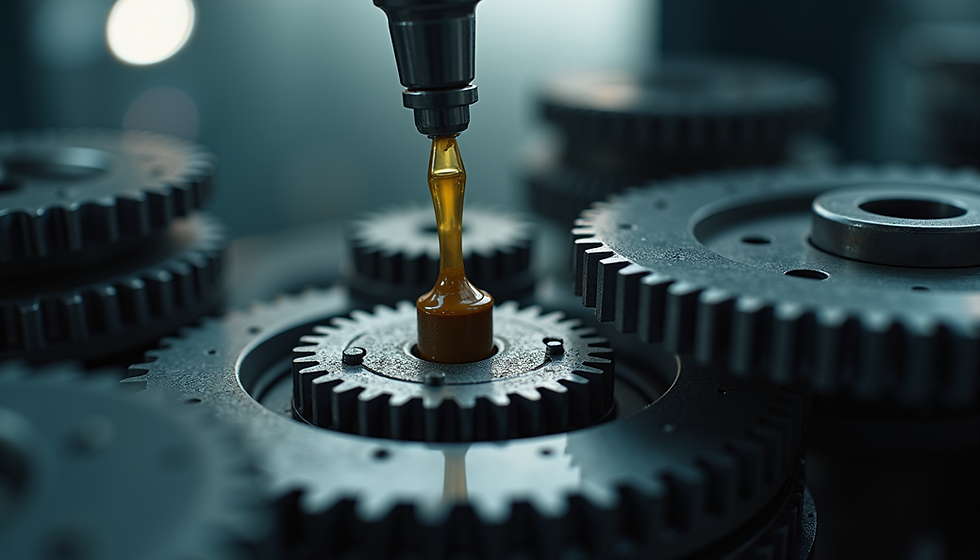
Proper lubrication on industrial bearing reduces wear and tear
Key Components of Effective Lubrication Training
To maximize the benefits, lubrication training should cover several essential components:
1. Lubricant Selection and Properties
Understanding the different types of lubricants (oils, greases, synthetic vs. mineral) and their properties helps in choosing the right product for each application. For instance, high-temperature environments require lubricants with excellent thermal stability.
2. Application Techniques
Training should teach the correct methods for applying lubricants, including the right amount, frequency, and tools. Over-lubrication can be as harmful as under-lubrication, causing seal damage or lubricant leakage.
3. Contamination Control
Contaminants like dirt, water, and metal particles degrade lubricant performance. Learning how to prevent contamination through proper storage, handling, and sealing is crucial.
4. Condition Monitoring and Analysis
Regular monitoring of lubricant condition through sampling and analysis helps detect early signs of wear or contamination. This proactive approach allows timely maintenance interventions.
5. Safety and Environmental Considerations
Proper handling and disposal of lubricants protect workers and the environment. Training should emphasize safety protocols and compliance with regulations.
By covering these areas, lubrication training empowers your team to make informed decisions that enhance equipment reliability.
Implementing Lubrication Training in Your Facility
Introducing lubrication training into your operations requires a strategic approach. Here are actionable steps to get started:
Assess Current Practices
Begin by evaluating your existing lubrication procedures. Identify gaps in knowledge, common issues, and equipment that frequently fails due to lubrication problems.
Choose the Right Training Program
Look for comprehensive programs that offer both theoretical knowledge and hands-on practice. Many providers offer customized courses tailored to specific industries and equipment types.
Involve the Right Personnel
Include maintenance technicians, reliability engineers, and supervisors in the training. Their combined expertise ensures that lubrication best practices are applied consistently.
Establish Standard Operating Procedures (SOPs)
After training, develop clear SOPs for lubrication tasks. Document lubricant types, application methods, intervals, and safety measures to standardize practices.
Monitor and Measure Results
Track key performance indicators such as equipment downtime, lubricant consumption, and maintenance costs. Use this data to assess the training’s impact and identify areas for improvement.
Foster a Culture of Continuous Learning
Encourage ongoing education and refresher courses to keep skills up to date. Technology and lubricant formulations evolve, so staying informed is essential.
By following these steps, you can embed lubrication expertise into your maintenance culture, leading to sustained operational improvements.

Technician applying lubricant to industrial pump to ensure smooth operation
The Role of Industrial Lubrication Training in Reliability Programs
Integrating lubrication training into your reliability program is a game-changer. It complements other maintenance strategies such as predictive maintenance and root cause analysis. Here’s how:
Improved Diagnostics: Trained personnel can better interpret lubricant analysis results, identifying early signs of equipment issues.
Optimized Maintenance Scheduling: Understanding lubrication needs helps in planning maintenance activities more effectively, avoiding unnecessary interventions.
Enhanced Equipment Performance: Consistent lubrication practices reduce friction and heat generation, improving machine efficiency.
Better Resource Utilization: Proper training reduces lubricant waste and prevents overuse of maintenance resources.
For example, in power generation facilities, lubrication training has helped maintenance teams reduce turbine bearing failures by implementing precise lubrication schedules and contamination control measures.
Practical Tips to Maximize Lubrication Training Benefits
To get the most out of your lubrication training, consider these practical recommendations:
Use Visual Aids and Hands-On Practice: Visual demonstrations and real equipment practice enhance understanding and retention.
Create Lubrication Checklists: Simple checklists ensure that all lubrication steps are followed correctly every time.
Leverage Technology: Use lubrication management software to track lubricant types, quantities, and application dates.
Encourage Cross-Department Collaboration: Maintenance, operations, and procurement teams should work together to support lubrication best practices.
Regularly Review and Update Training Content: Keep training materials current with the latest industry standards and lubricant technologies.
By applying these tips, you can build a robust lubrication program that supports your operational goals.
Sustaining Operational Excellence Through Lubrication Expertise
Investing in lubrication training is an investment in your equipment’s health and your operation’s success. It empowers your team to prevent failures, reduce costs, and improve safety. As industrial processes become more complex, the value of skilled lubrication practices only grows.
By embracing continuous learning and applying the knowledge gained from training, you create a foundation for long-term reliability and efficiency. This proactive approach aligns perfectly with the goal of maintaining equipment efficiency and reducing downtime.
Remember, lubrication is not just a maintenance task - it is a critical component of operational excellence. Let’s commit to enhancing our operations through effective lubrication training and reap the benefits together.

Comments