Finding Reliable Industrial Lubricant Suppliers
- davidc664
- Jan 30
- 4 min read
When it comes to maintaining the efficiency and longevity of your industrial equipment, choosing the right lubricant is crucial. But just as important is finding a reliable source for these lubricants. In industries like manufacturing, power generation, oil and gas, food and beverage, water, and wastewater, the quality and consistency of lubrication products can directly impact operational uptime and equipment health. Today, I want to share practical insights on how to find trustworthy industrial lubricant suppliers who can meet your specific needs.
Why Choosing the Right Industrial Lubricant Suppliers Matters
Selecting the right supplier is not just about price or availability. It’s about ensuring you get products that meet stringent quality standards and technical specifications. Industrial lubricants vary widely—from hydraulic oils and greases to specialty lubricants designed for extreme temperatures or food-grade applications. A reliable supplier understands these nuances and can guide you to the best product for your machinery.
For example, in the food and beverage sector, lubricants must comply with FDA regulations for use in certain areas of food processing facilities. In power generation, lubricants need to withstand high temperatures and pressures without breaking down. A supplier who knows these requirements can save you costly downtime and equipment damage.
Key factors to consider when choosing suppliers:
Product quality certifications (ISO, NSF, etc.)
Technical support and expertise
Consistent supply and delivery schedules
Competitive pricing with transparent terms
Ability to provide customized lubrication solutions
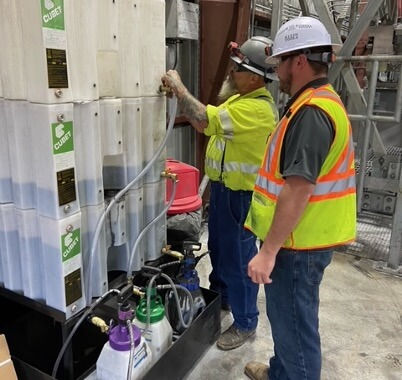
How to Evaluate Industrial Lubricant Suppliers Effectively
Evaluating suppliers requires a systematic approach. Start by gathering a list of potential suppliers through industry referrals, trade shows, or online directories. Once you have a shortlist, dig deeper into their capabilities.
Request Product Data and SDS
Review technical data sheets to verify viscosity, additive packages, and compliance with industry standards.
Check Customer References and Reviews
Reliable suppliers will have satisfied customers willing to share their experiences. Reach out to these references to understand the supplier’s reliability and service quality.
Assess Technical Support Availability
Lubrication needs can be complex. A supplier offering on-site consultation or remote technical support can help optimize your lubrication program.
Review Supply Chain and Logistics
Timely delivery is critical. Confirm the supplier’s ability to meet your demand schedules and handle emergency orders.
Evaluate Pricing and Contract Terms
While cost is important, avoid choosing suppliers solely on the lowest price. Look for transparent pricing structures and flexible contract terms that protect your interests.
By following these steps, you can narrow down your options to suppliers who not only provide quality products but also add value through service and expertise.
Understanding the Role of Lubricant Quality in Equipment Performance
Lubricants are the lifeblood of industrial machinery. They reduce friction, prevent wear, and protect against corrosion. Poor-quality lubricants or inconsistent supply can lead to equipment failures, increased maintenance costs, and unplanned downtime.
For instance, using a lubricant with the wrong viscosity can cause overheating or inadequate lubrication film thickness. Similarly, lubricants contaminated with water or particulates can accelerate component wear. This is why partnering with a supplier who guarantees product integrity and offers quality assurance testing is essential.
Some technical terms to keep in mind:
Viscosity Index (VI): Measures how much a lubricant’s viscosity changes with temperature.
Additive Package: Chemicals added to lubricants to enhance properties like anti-wear, anti-oxidation, and corrosion resistance.
Base Oil: The main component of lubricants, which can be mineral, synthetic, or bio-based.
Understanding these basics helps you communicate effectively with suppliers and make informed decisions.

How We Can Help You Find the Best Lubricant Suppliers
At INDUSTRIAL SEALING AND LUBRICATION (ISL), we aim to be your trusted partner in sourcing high-quality lubrication and reliability products. We understand the challenges you face in maintaining equipment efficiency and reducing downtime. That’s why we focus on connecting you with suppliers who meet rigorous quality standards and offer comprehensive support.
Whether you need turbine oil, hydraulic oils or specialized food-grade lubricants, we can guide you through the selection process. Our network includes suppliers with proven track records in various industrial sectors, ensuring you get the right product at the right time.
If you want to explore options or need advice on lubricant selection, don’t hesitate to reach out. We are here to help you optimize your lubrication program and keep your operations running smoothly.
For more information, check out our recommended lubricant suppliers.
Tips for Maintaining a Strong Relationship with Your Lubricant Supplier
Once you’ve found a reliable supplier, maintaining a good relationship is key to long-term success. Here are some tips to foster collaboration:
Communicate Regularly: Keep your supplier informed about changes in your operations or new equipment needs.
Schedule Periodic Reviews: Evaluate product performance and service quality together to identify improvement areas.
Share Feedback: Honest feedback helps suppliers tailor their offerings and support.
Plan Ahead: Forecast your lubricant needs to avoid last-minute shortages.
Leverage Supplier Expertise: Invite suppliers to conduct training sessions or lubrication audits.
Building a partnership rather than a transactional relationship ensures you get proactive support and continuous improvement in your lubrication program.
Finding the right industrial lubricant suppliers is a strategic decision that impacts your equipment’s reliability and your business’s bottom line. By focusing on quality, technical expertise, and service, you can secure a supply chain that supports your operational goals. Remember, the right partner not only delivers products but also helps you optimize your entire lubrication strategy. Contact us at 913-334-5823 or info@indsealing.com


Comments