Finding Reliable Lubricant Suppliers for Industrial Success
In the industrial world, the importance of quality lubrication cannot be overstated. Proper lubrication ensures machinery runs smoothly, reduces wear and tear, and minimizes downtime. But to achieve this, you need to find reliable lubricant suppliers who understand your industry's unique demands. In this post, I will guide you through the process of identifying trustworthy partners who can provide high-quality lubrication products tailored to your needs.
Why Choosing Reliable Lubricant Suppliers Matters
Selecting the right lubricant supplier is more than just a transaction. It’s about building a partnership that supports your operational efficiency and equipment longevity. Poor-quality lubricants or inconsistent supply can lead to equipment failure, costly repairs, and production delays.
Reliable suppliers offer:
Consistent product quality: Ensuring lubricants meet industry standards and specifications.
Technical expertise: Helping you choose the right lubricant for specific machinery and conditions.
Timely delivery: Preventing production stoppages due to supply shortages.
Regulatory compliance: Providing products that meet environmental and safety regulations.
When you work with dependable suppliers, you reduce risks and improve your maintenance strategy.
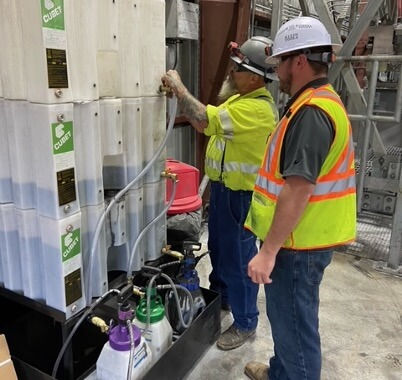
How to Identify Reliable Lubricant Suppliers
Finding a trustworthy supplier requires careful evaluation. Here are key factors to consider:
1. Product Range and Quality Certifications
A good supplier should offer a wide range of lubricants, including synthetic oils, greases, and specialty fluids. Look for suppliers whose products carry certifications such as ISO 9001 or API (American Petroleum Institute) approvals. These certifications indicate adherence to strict quality control processes.
2. Technical Support and Expertise
Lubrication is a technical field. Suppliers who provide expert advice, training, and troubleshooting support add significant value. They can help you select lubricants that match your equipment’s operating conditions, such as temperature, load, and speed.
3. Supply Chain Reliability
Assess the supplier’s ability to deliver on time consistently. Delays can disrupt your production schedule. Check their inventory management, logistics capabilities, and backup plans for emergencies.
4. Environmental and Safety Compliance
Industrial sectors face increasing environmental regulations. Choose suppliers who offer eco-friendly lubricants and comply with safety standards. This reduces your environmental footprint and ensures workplace safety.
5. Customer Service and Communication
Responsive customer service is essential. Reliable suppliers keep you informed about order status, product updates, and potential issues. They listen to your feedback and adapt to your needs.
Evaluating Supplier Performance Over Time
Once you select a supplier, ongoing evaluation is crucial. Here’s how to monitor their performance:
Track delivery times: Are orders arriving as scheduled?
Check product consistency: Are lubricants performing as expected in your equipment?
Review technical support: Is the supplier proactive in offering assistance?
Solicit feedback from maintenance teams: Are they satisfied with the products and service?
Regular reviews help you maintain a strong partnership and address any issues promptly.
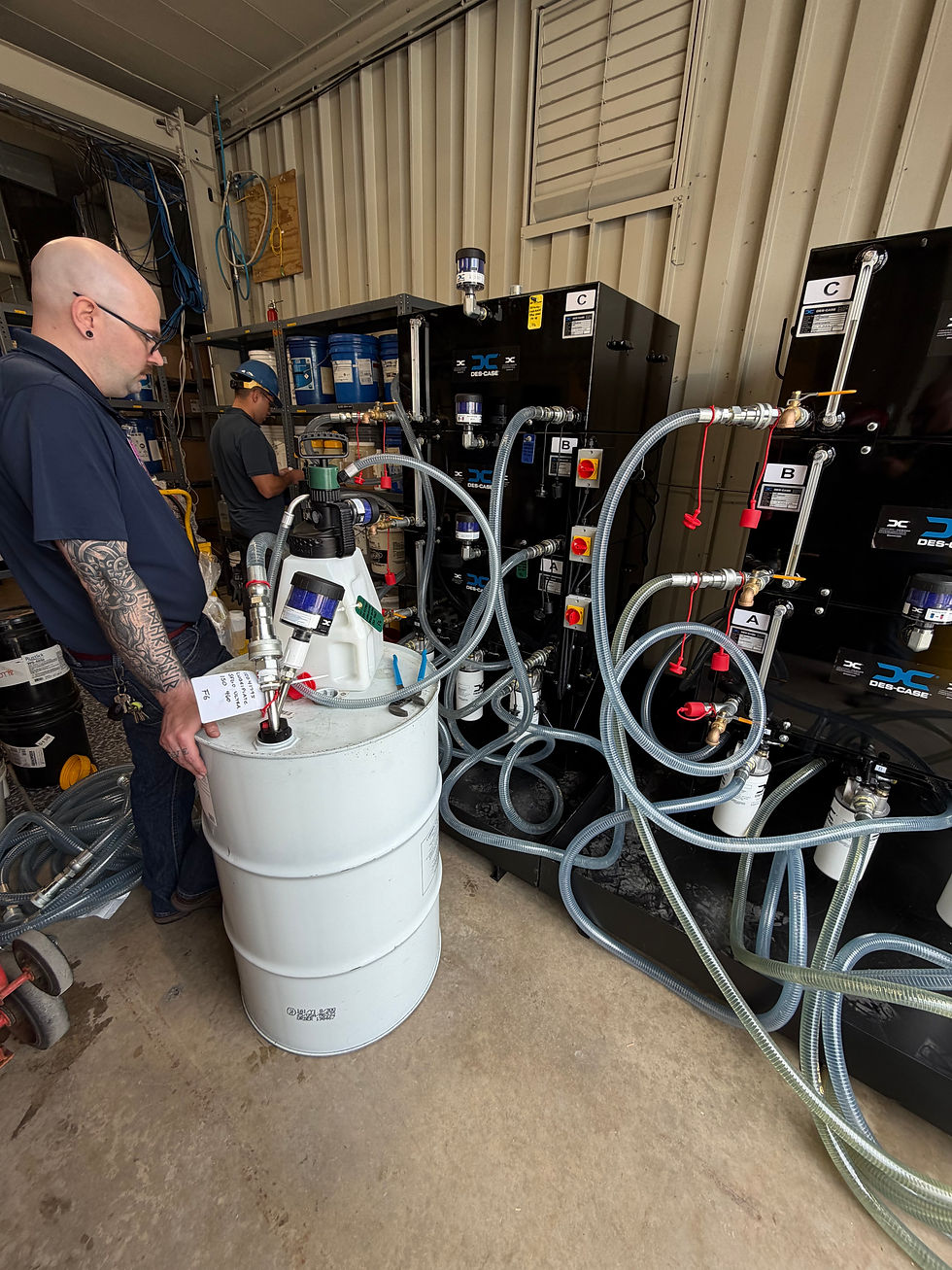
Practical Tips for Building Strong Supplier Relationships
Building a lasting relationship with your lubricant supplier benefits your business in many ways. Here are some actionable recommendations:
Communicate your needs clearly: Share detailed information about your equipment and operating conditions.
Schedule regular meetings: Discuss performance, upcoming projects, and potential improvements.
Request samples and trials: Test new lubricants before full-scale adoption.
Negotiate flexible contracts: Ensure terms accommodate changes in demand or product specifications.
Invest in joint training sessions: Enhance your team’s knowledge and align expectations.
Strong collaboration leads to better service, innovation, and cost savings.
Leveraging Technology to Optimize Lubrication Management
Modern technology can help you and your supplier optimize lubrication practices. Consider these tools:
Lubrication management software: Tracks lubricant usage, schedules maintenance, and monitors inventory.
Condition monitoring sensors: Detect lubricant degradation and machinery wear in real time.
Data analytics: Analyze performance trends to predict failures and optimize lubricant selection.
By integrating technology, you enhance reliability and reduce downtime.
Moving Forward with Confidence
Finding reliable lubricant suppliers is a strategic step toward maintaining equipment efficiency and minimizing operational risks. By focusing on quality, expertise, and strong communication, you can build partnerships that support your industrial goals.
If you want to explore trusted options, consider working with lubricant suppliers who specialize in high-quality lubrication and reliability products tailored for industrial sectors. Their expertise can help you keep your machinery running smoothly and your business thriving.
Remember, the right supplier is not just a vendor but a partner in your success. Take the time to evaluate, communicate, and collaborate for the best results.


Comments