Understanding Automatic Lubrication Solutions
In industrial settings, equipment reliability and efficiency are critical. One key factor that often determines the longevity and performance of machinery is lubrication. Proper lubrication reduces friction, prevents wear, and minimizes downtime. However, manual lubrication can be inconsistent and time-consuming. This is where automatic lubrication solutions come into play, offering a smarter, more efficient way to maintain your equipment.
Why Choose Automatic Lubrication Solutions?
Automatic lubrication solutions provide continuous and precise delivery of lubricant to machinery components. This approach ensures that moving parts receive the right amount of lubricant at the right time, reducing the risk of over-lubrication or under-lubrication. For industries such as manufacturing, power generation, oil and gas, food and beverage, water, and wastewater, this can translate into significant cost savings and improved operational uptime.
Some of the key benefits include:
Reduced Maintenance Time: Automated systems eliminate the need for frequent manual lubrication checks.
Improved Equipment Life: Consistent lubrication prevents premature wear and tear.
Enhanced Safety: Reduces the need for workers to access hazardous or hard-to-reach areas.
Lower Lubricant Consumption: Precise dosing minimizes waste and environmental impact.
By integrating these solutions, you can streamline maintenance schedules and focus on core operations without worrying about lubrication lapses.

What is Automatic Lubrication?
Automatic lubrication refers to a system designed to deliver lubricant—usually grease or oil—automatically to various parts of machinery. These systems operate without manual intervention, using pumps, valves, and timers or sensors to control lubricant flow.
There are several types of automatic lubrication systems, including:
Single-Line Systems: Use one main line to distribute lubricant to multiple points. They are simple and cost-effective for moderate lubrication needs.
Dual-Line Systems: Employ two main lines that alternate lubricant delivery, ideal for large or complex machinery.
Progressive Systems: Deliver lubricant sequentially to each lubrication point, ensuring precise amounts.
Single-Point Systems: Designed for isolated lubrication points, often used in smaller machines.
Each system type has its advantages depending on the application, size of equipment, and lubrication requirements. For example, a progressive system is excellent for machines with many lubrication points requiring different amounts of lubricant.
Understanding the right system for your equipment is crucial to maximizing efficiency and minimizing downtime.
How Automatic Lubrication Systems Work
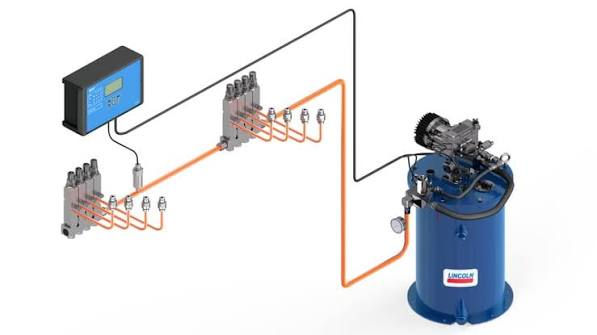
At the heart of these systems is a pump that pushes lubricant through a network of tubes or pipes to the lubrication points. The pump is usually powered electrically, pneumatically, or hydraulically. A controller regulates the timing and amount of lubricant dispensed.
Here’s a simplified breakdown of the process:
Reservoir: Holds the lubricant, which can be grease or oil.
Pump: Moves lubricant from the reservoir into the distribution lines.
Metering Devices: Control the amount of lubricant delivered to each point.
Distribution Lines: Carry lubricant to the machinery’s lubrication points.
Lubrication Points: Bearings, gears, chains, or other moving parts that require lubrication.
Sensors or timers can be integrated to monitor system performance and alert operators if maintenance is needed. This proactive approach helps prevent equipment failure before it happens.
Practical Tips for Implementing Automatic Lubrication Solutions
Implementing an automatic lubrication system requires careful planning and consideration. Here are some actionable recommendations to ensure success:
Assess Your Equipment Needs: Identify all lubrication points and understand their specific requirements.
Choose the Right System Type: Match the system to your machinery size, complexity, and operating conditions.
Use Quality Lubricants: Select lubricants compatible with your equipment and environmental conditions.
Regularly Inspect and Maintain the System: Even automatic systems need periodic checks to ensure pumps, lines, and valves are functioning correctly.
Train Your Team: Ensure maintenance personnel understand how the system works and how to troubleshoot common issues.
Monitor System Performance: Use sensors or manual inspections to verify lubricant delivery and adjust settings as needed.
By following these steps, you can maximize the benefits of automatic lubrication solutions and extend the life of your equipment.
The Future of Industrial Lubrication
As industries evolve, so do lubrication technologies. The integration of IoT (Internet of Things) and smart sensors is transforming automatic lubrication systems into intelligent maintenance tools. These advancements allow real-time monitoring of lubricant levels, system health, and equipment condition.
Predictive maintenance powered by data analytics can alert you to potential issues before they cause downtime. This shift not only improves reliability but also optimizes lubricant usage and reduces environmental impact.
Investing in modern automatic lubrication solutions positions your operations for greater efficiency and sustainability in the long term.
By embracing automatic lubrication systems, you take a significant step toward enhancing equipment reliability and operational efficiency. These systems offer a practical, cost-effective way to maintain your machinery, reduce downtime, and improve safety. Whether you operate in manufacturing, power generation, or any other industrial sector, automatic lubrication solutions can help you achieve your maintenance goals with confidence.


Comments